
· 2 min read · By the Tiger Makine team
A container is a plain rectangle, but what goes into it rarely is. Flat-faced stacks, boxed items and rounded bundles all arrive at the loading area, and each of them behaves differently once the doors are shut and the container starts to move.
Flat faces go against the wall
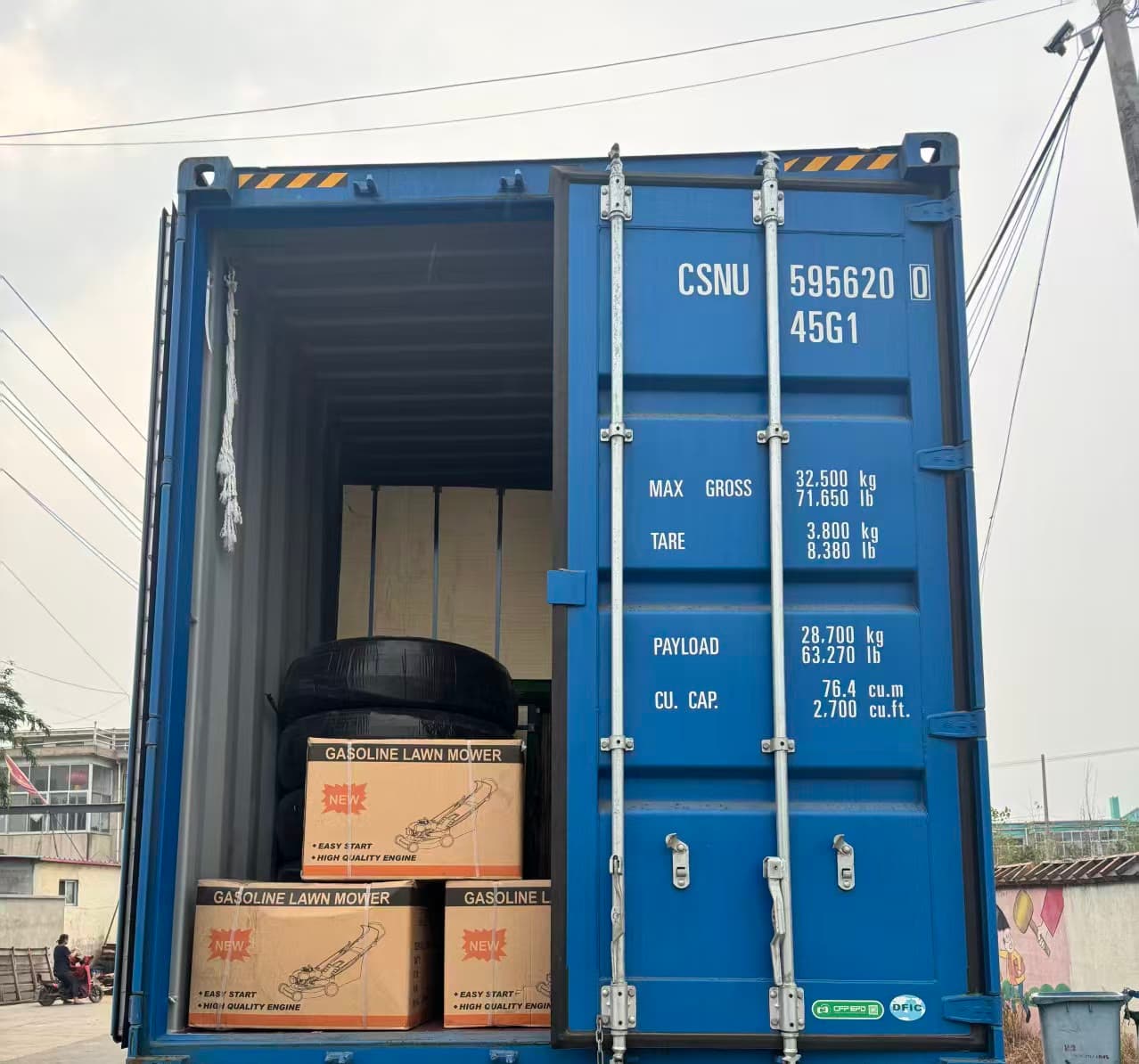
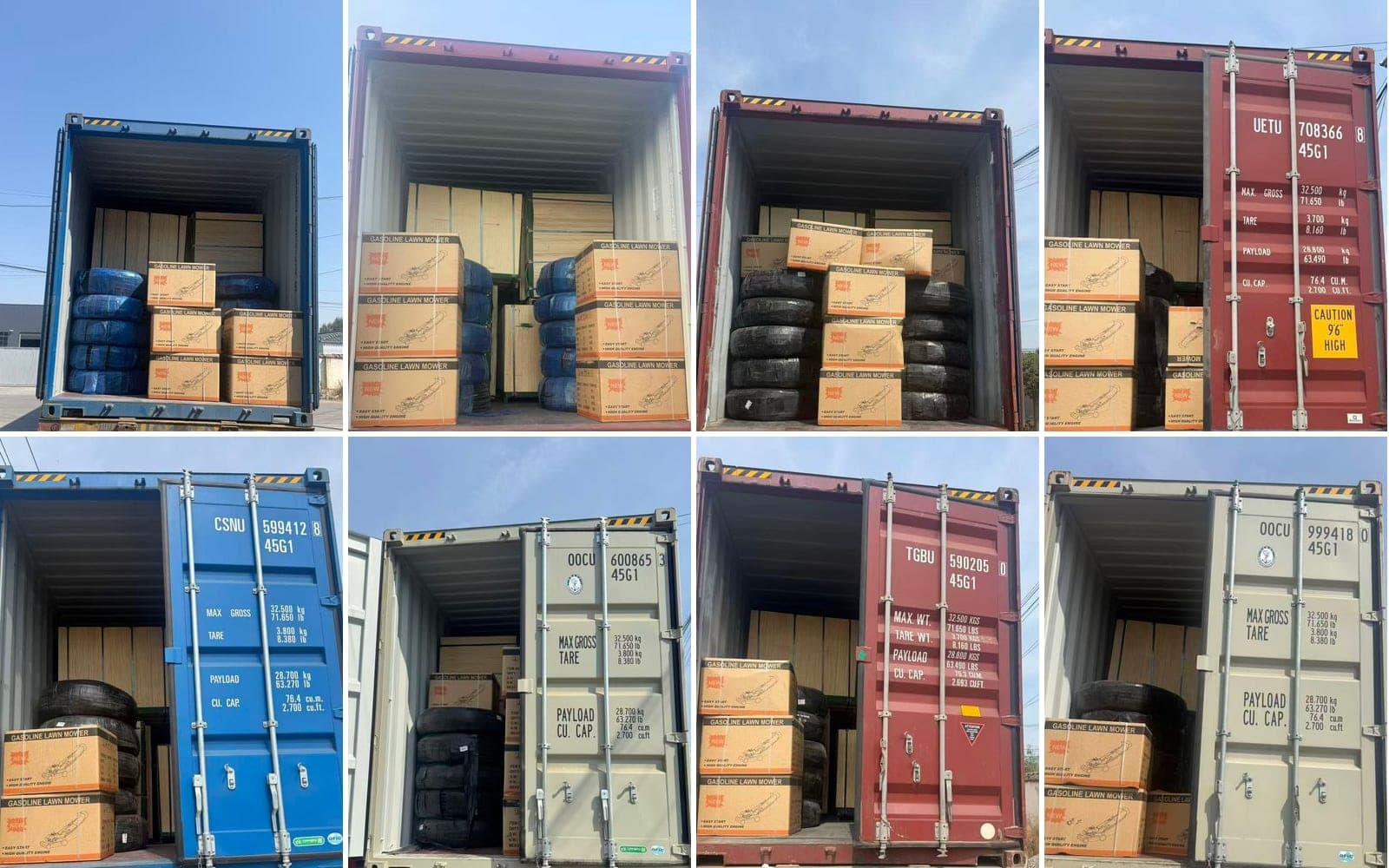
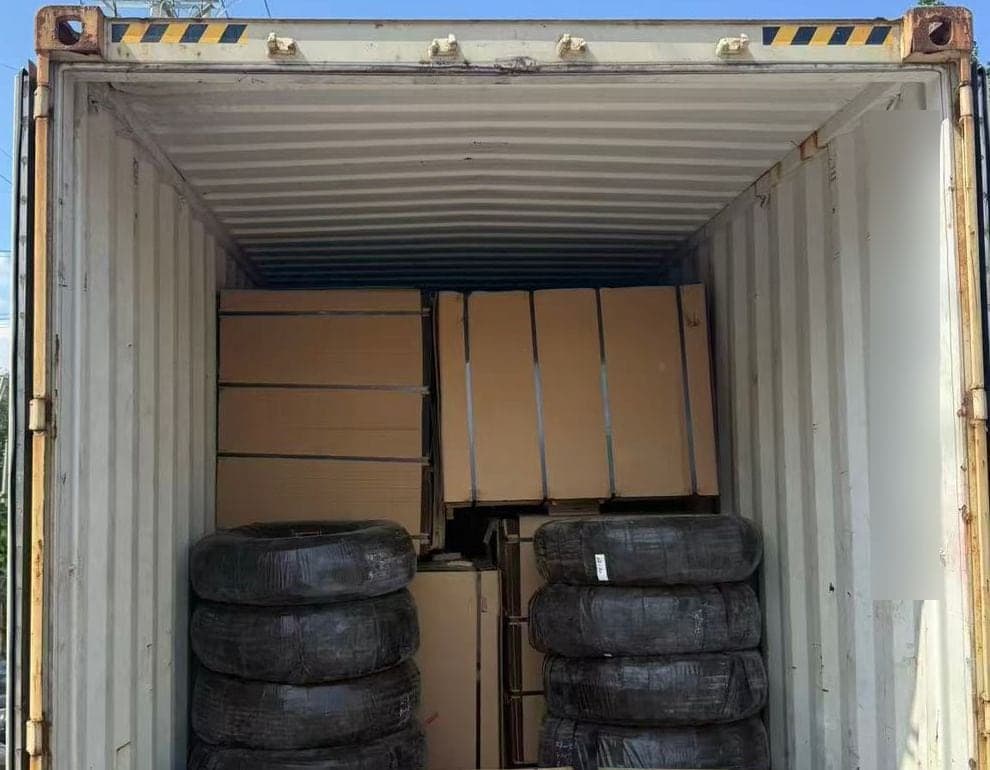
Items with flat faces were loaded first and stood against the far wall. A flat face sits tight against another flat face, so these stacks can be built tall and square, and steel straps around each one keep it together as a single block.
Round bundles get a column of their own
Rounded bundles are a different matter. Stacked carelessly, they roll and shift. Here they were wrapped in black film, stood one on top of another in two neat columns on the floor, and kept clear of the flat stacks behind them, so no pile pushes against a shape that cannot take the pressure.
What the gaps are for
Between the columns and the walls, a boxed item was fitted into the space that was left. A load with no spare room cannot slide, and a load that cannot slide arrives in the order and the condition it was packed.
What this load shows
- Flat-faced stacks loaded first, against the far wall, held by steel straps.
- Rounded bundles stood in their own columns on the floor.
- Each shape kept away from the pressure of the next.
- Spare space filled so that nothing can slide during the journey.
Why shape matters more than size
People often ask how many items fit in a container. The better question is how well they fit together. A load made of different shapes can travel as safely as a uniform one, as long as every shape has been given a place that suits it.