
· 3 min read · By the Tiger Makine team
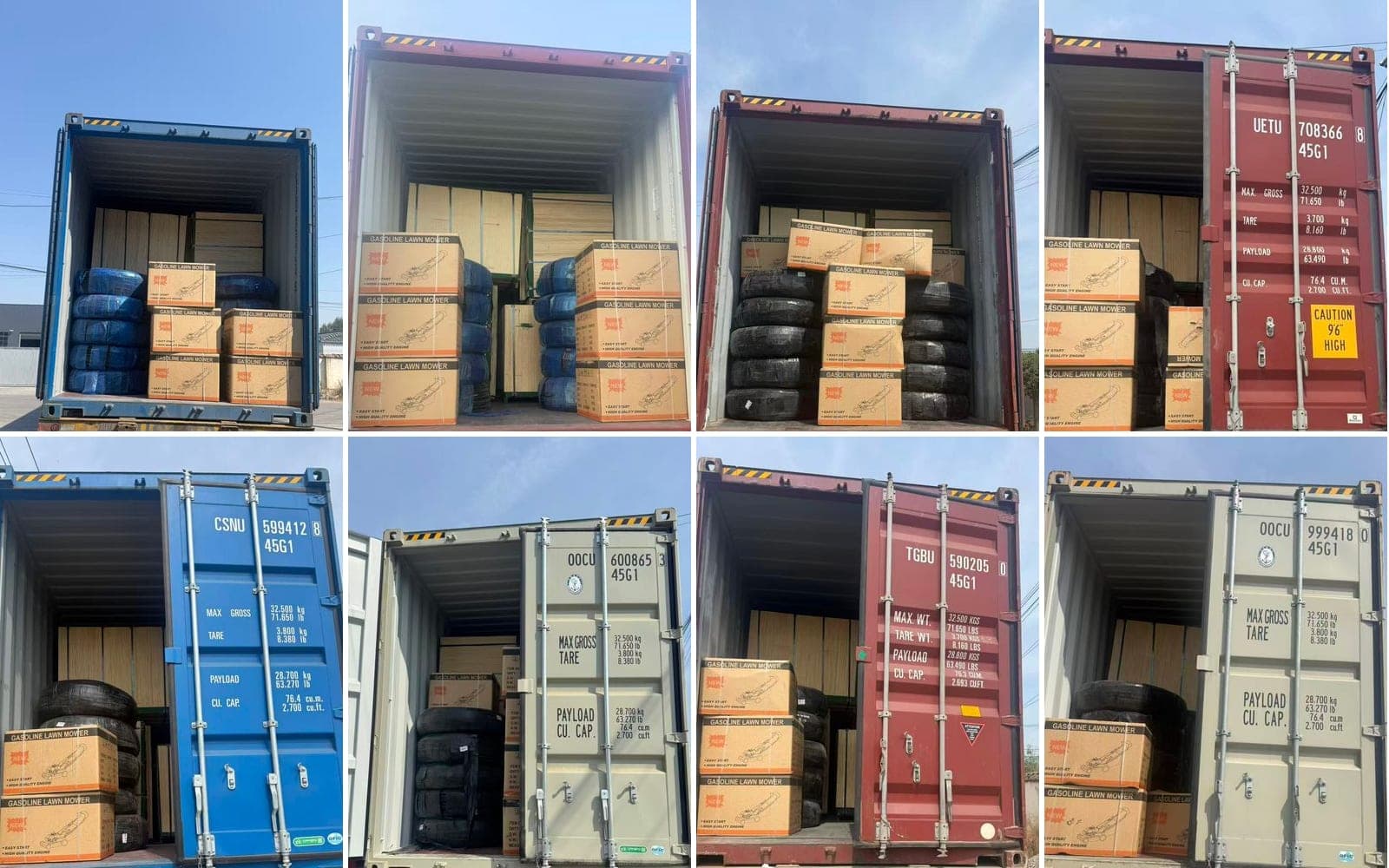
Some weeks are quieter than others, and this was not one of them. Our export team has prepared two shipments of agricultural equipment, eight containers in total, for customers overseas.
Two shipments, four containers each
Each shipment was booked as a single order and loaded into four separate containers. Dividing a large order this way keeps every container at a sensible weight and makes the cargo easier to handle at each stage of the journey.
What a loading day involves
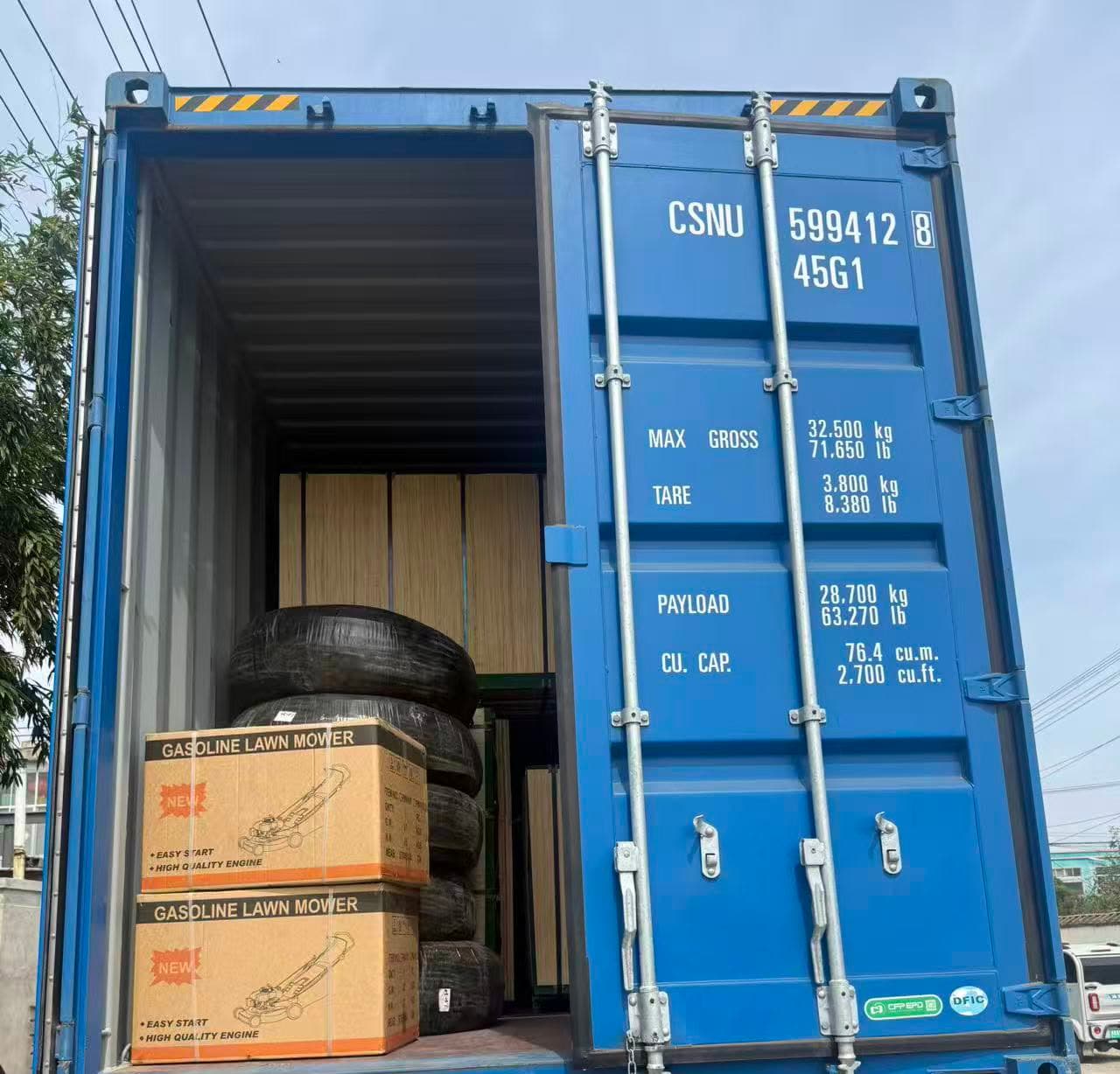
From the outside a container looks simple. Inside, a good load takes planning. Goods are counted against the packing list, crates and cartons are positioned so they cannot shift, and the doors are closed only when everything has been checked twice.
A photo record at every stage
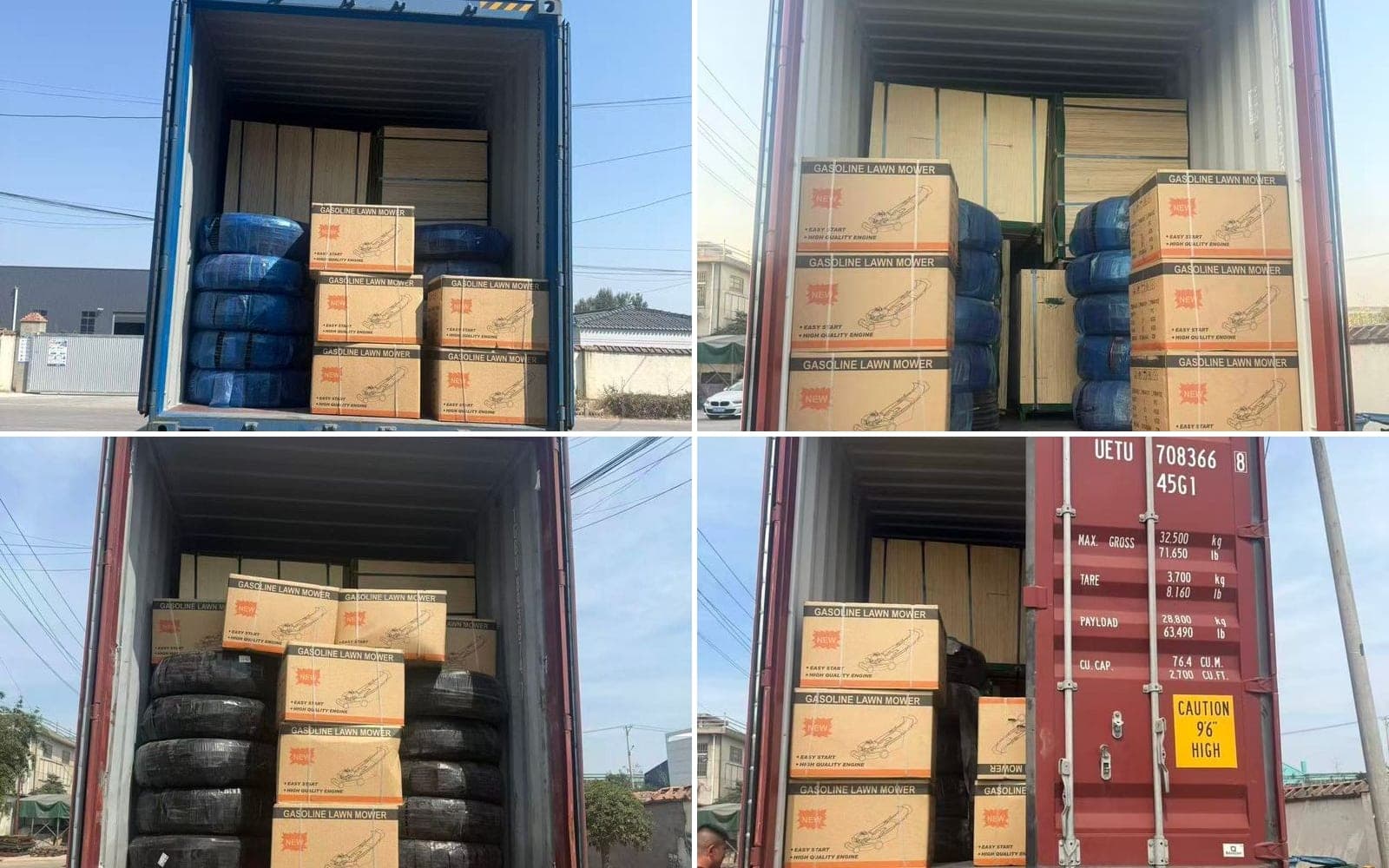
As each container is prepared we photograph the empty interior, the cargo going in, the finished load and the sealed doors. The pictures show our customers the work before a shipment leaves, and give everyone a reliable record if a question comes up later.
More from the loading yard
In the reports that follow we look at each stage in turn: the inspection before loading, how cargo is stowed and secured, how equipment is packed, and how every container is sealed.
If you are planning an order and would like to know how we would load it, our team is happy to talk it through.
Why we write these reports
Shipping is usually invisible to the people waiting for their goods. We publish these notes because we would rather show the work than ask customers to take it on trust. Each report describes one step of the process in ordinary language, so that anyone planning an order can see how their equipment will be handled before it ever leaves Istanbul.