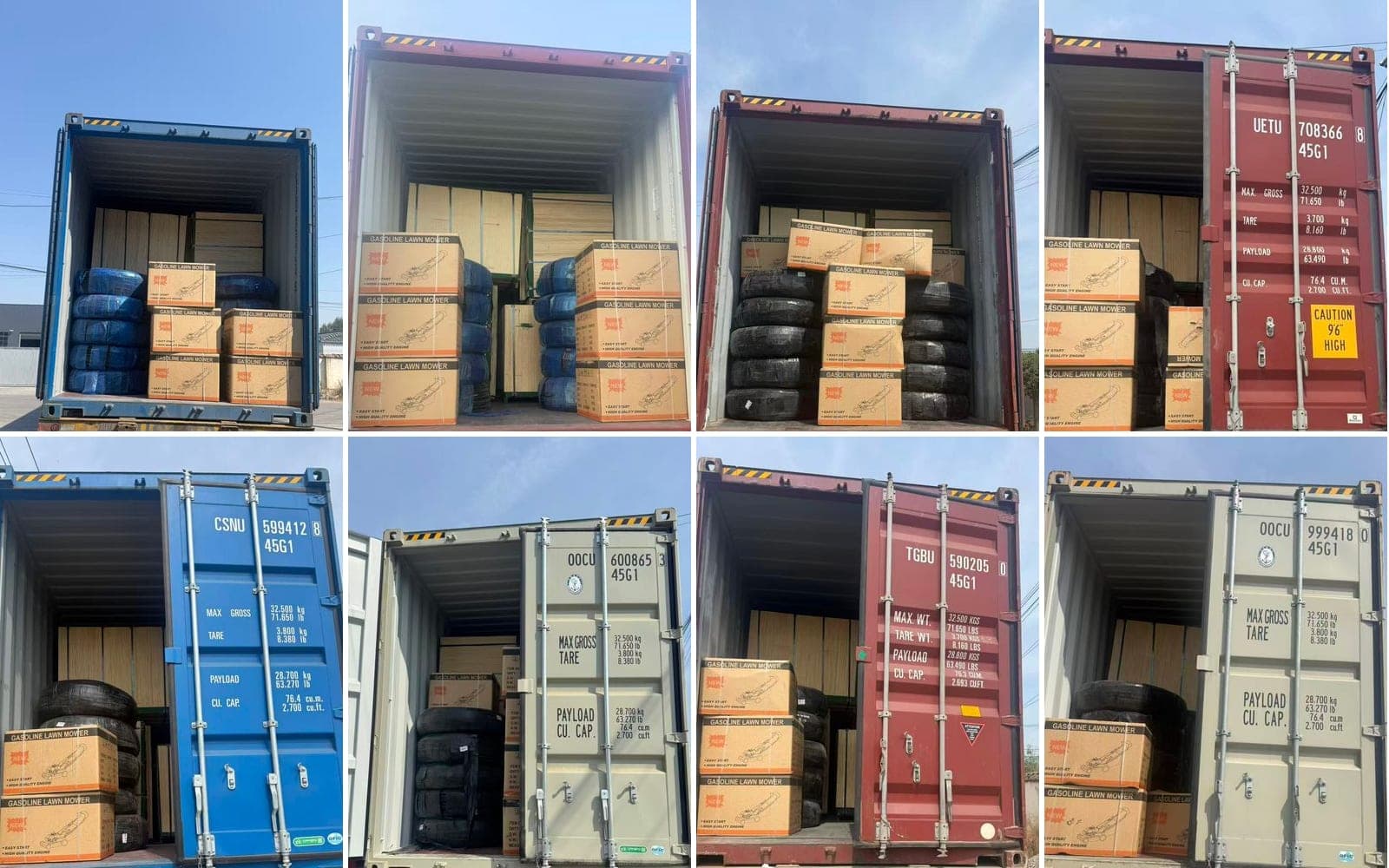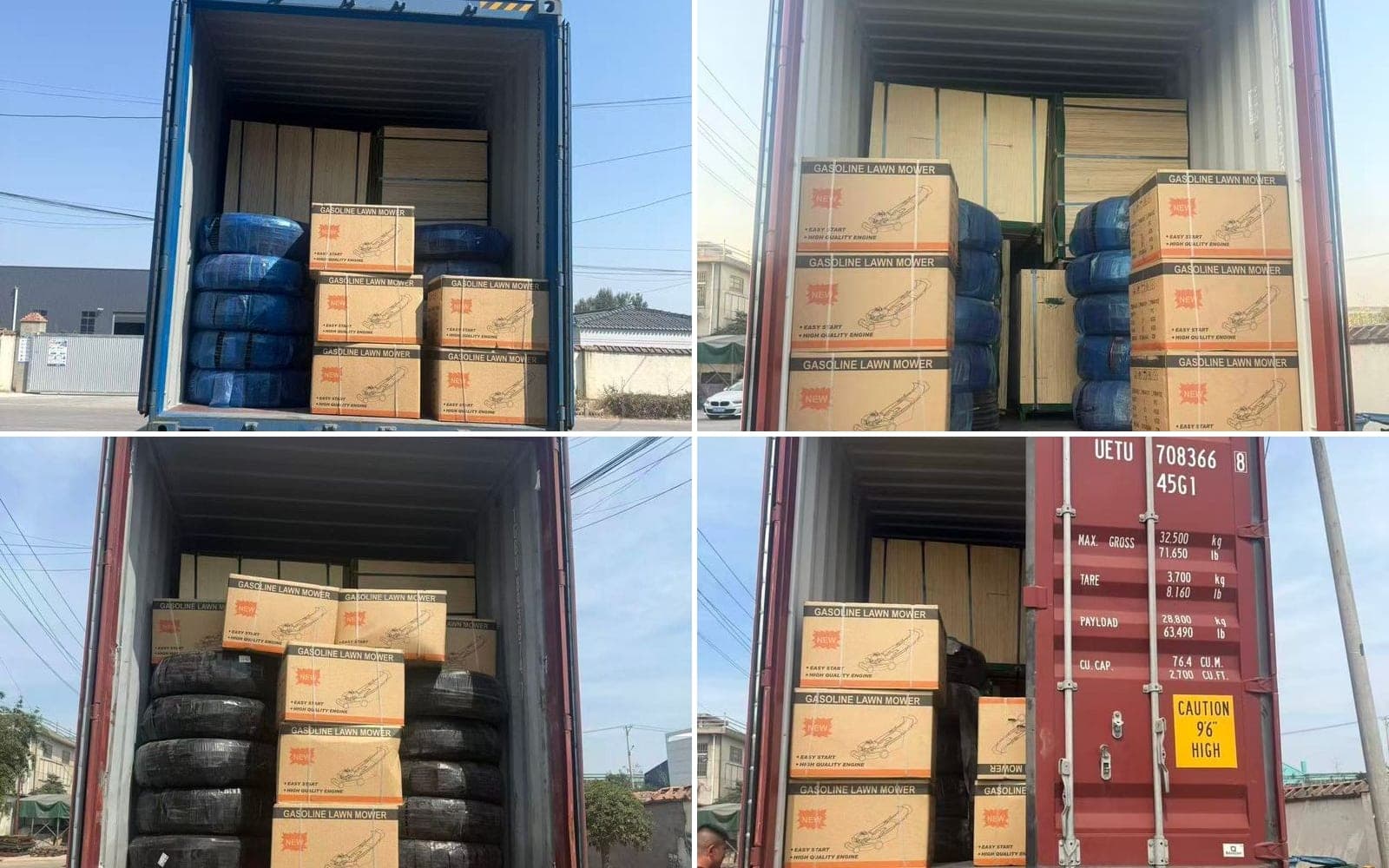

· 3 min read · By the Tiger Makine team
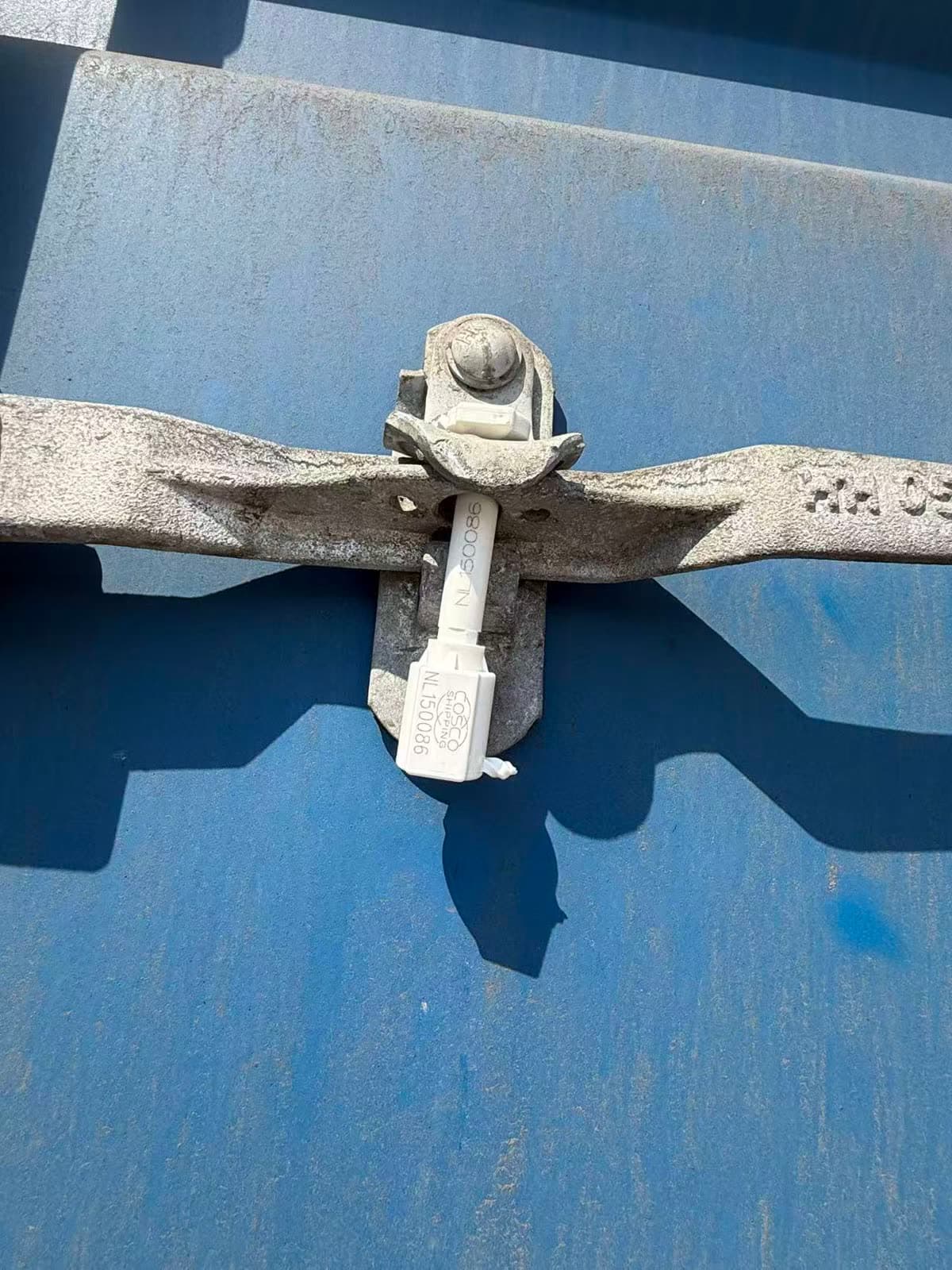
The last job on loading day is the smallest, and perhaps the most important. Once the doors are closed, a numbered seal is fitted to the locking bar and the container is officially shut.
What the seal does
A seal is a tamper-evident lock. It cannot be removed without breaking it, so an intact seal tells everyone along the chain that the doors have not been opened since the container was closed.
Numbers that are written down
Every seal carries its own number. We record that number on the shipping documents so the receiver can check it against the container on arrival. If the numbers do not match, they know to ask questions straight away.
A photograph of every seal
We photograph the seal after it is fitted, together with the closed doors. It is a small habit, but it gives both sides a clear record of how the container left us.
Ready for the next stage
With the doors closed and the seal fitted, the container is ready to move on to the next stage of its journey. For us it is a satisfying moment: the work is done, and the equipment is protected until it reaches the people waiting for it.
What to do if a seal looks wrong
If a seal is missing, broken or carries a different number from the one on your documents, do not open the doors. Photograph the seal and the door, note the time, and contact us and your shipping agent straight away. Acting before the container is opened keeps the record clear and makes any follow-up much simpler.